USING NATURAL PREVENTATIVES AND TREATMENTS DURING FLU AND COLD SEASON

Cold-Flu 2

Be proactive to avoid and cut short colds and flus! Flu and cold season – which seems to get longer and longer – is a challenge to navigate. Even the flu vaccines are not totally effective because of the various strains of flu in a given year. There are additional over the counter medications and prescription drugs available as well. We are encouraged to avoid getting or spreading these conditions by washing our hands a lot, not touching our face, staying home if we are sick, etc.

In addition to all of this, I personally favor natural preventatives and treatments as much as possible. I found an article from a couple of years ago that offers 10 natural cold and flu remedies that work that you may want to consider. A couple of them were new to me and perhaps you also will find a natural preventative or remedy to try.

Here are some of the suggestions provided by the author on The Healthy Maven blog:

  • Gargle with salt water – do this at the first sign you may be getting sick. I have personally done this just recently and it was effective.
  • Honey – this can be as is, or in over the counter cough syrups (all-natural varieties). Raw honeys are the best if possible.
  • Ginger which comes in a variety of forms – root, powder, capsules, even candies.
  • Elderberry Syrup which both is a great preventative and treatment. There are a variety of other elderberry options. I have used and found elderberry to be very effective. Here’s more information in an earlier post: https://carolbrusegar.com/what-are-elderberries-health/
  • Propolis – produced by bees to seal their hives and very anti-viral and anti-bacterial. It’s available as a throat spray. Reviews indicate that this throat spray is a good preventative when used daily, as well as to nip a scratchy throat or other symptoms quickly. Propolis Throat Spray
  • Essential Oils – Eucalyptus and peppermint as well as combinations of various oils can be used effectively. These can be infused and benefit everyone in the household as well as being applied topically or ingested. It’s important to know exactly how to do this.

There are a couple of additional natural approaches that are widely recommended: hot green tea and turmeric.

Hot green tea is high in antioxidants and stimulates organ function; add honey for a double benefit.  Turmeric reduces inflammation in our bodies, and we hear more and more that inflammation is related to many conditions. It can make us feel achy and sometimes lead to illness. Make a paste from powdered turmeric (from the spice shelf) with water and mix into warm milk or tea.

Let’s do everything we can to avoid colds and flus and to get rid of them if we happen to get them, using natural substances as much as possible!


What is Holding You Back From Retiring When You Feel Ready?

blocks

Suppose you are eligible to retire from your job – you are eligible for Social Security payments and have worked enough years to qualify for a good pension (if there is one with your employment). Financially, you could do it. And yet you don’t. Can you identify what is holding you back?

I recently had a conversation with someone in that precise situation. As we talked, she was able to identify several things that were keeping her from doing what she was in some ways quite ready to do – retire.

Blocks to Making the Move to Retirement

One factor was concern that she wouldn’t be contributing to the betterment of society anymore. Her career had focused on things that made a difference and she wanted to continue to do that in the coming years. Would she settle into a lifestyle that was narrower and not connected to the needs and issues?

A somewhat connected thought was that despite all she has done in a 40-year career, she hadn’t done enough in that area of interest. Should she stay and do more?

Then there was a practical thing: with workdays of 8 or more hours and a commute of an hour each way, all her focus had been on that job. She didn’t quite know how to shift focus and find new outlets for her commitment and energy.

The prospect of losing the relationships related to the job was another pull to continue working. Retirement inevitably changes or severs relationships with people with whom we have worked. In this case, they have been significant and in fact the majority of her personal relationships.

A final item was facing the overwhelming job of leaving records and the office in condition for someone to easily step in and do the work. There seems to be no time in the current pace of the job to get this done. Ultimately it became another reason to postpone retirement.

Can you relate to any of these as reasons you are putting off retirement, what is holding you back? Can you identify others?

As we talked, we identified some steps to take. Perhaps these could help you take some steps toward the goal of retirement on terms that are satisfying to you.

Steps to Removing Blocks

First, take inventory of the things you have accomplished and been involved in during your years of active employment. Write them down, think about the impacts and celebrate them. It is easy to lose track of all we have done after a long career and valuable to look back at them.

Second, look again at this list and consider what possibilities for post-retirement activity come to mind. How could your career be a launching pad for the next phase of your contribution? Perhaps there is something that you enjoyed and excelled at 20 years ago. What related things could you do? Could you take something to another level through volunteer work or even part time work in some organization? Do some creative brainstorming of ideas.

Third, take concrete steps to explore new opportunities. If it is difficult to fit into your current schedule, explore ways to carve out time to totally focus on the things you want to check out. It could mean using a day a week of your vacation time for a few weeks, or a day every other week, or even one full day to get started. Decide ahead of time what you will do with this time that will provide information you need about future possibilities.

Fourth, as you are looking at these options, look for people to build relationships with in these new organizations or groups. Even if you don’t ultimately go in some of the directions you are checking out, you may find people to connect with in various ways.

Fifth, create a plan for leaving your files, records and workplace in a condition that you will be proud of. This can apply to anything you consider unfinished in your current position. List the major components and then make a general timeline. Start chipping away by making a list of tasks divided by an estimated time each will take: 10 minutes, 15 minutes, an hour, etc. Start doing them as you have snippets and blocks of time on a weekly basis. Post that list where you see it continually and will be reminded that you can indeed achieve your overall goal a bit at a time.

Here’s a free worksheet based on the steps above. You will be able to download and print it directly from this link.  WORKSHEET for Clearing Out Blocks

Apple Cider – Fall’s Delicious, Variable, Healthy Beverage!

cider & spices

Warm Apple Cider a favorite fall beverage for many of us. The natural apple flavor is often seasoned with cinnamon, cloves and other fall-type seasonings to make a cozy treat.

First, let’s answer this question: What is the difference between apple cider and apple juice? Basically, apple cider is unfiltered and contains some pulp or sediment, leaving it appear cloudy rather than clear. It also has a shelf life of 7-10 days. Beyond that, it begins to ferment and eventually would become hard cider. Outside the United States and Canada, cider generally refers to that alcoholic beverage.

Health Benefits of Cider

In addition to the taste, apple cider also can be very good for you. Apples themselves are an excellent source of antioxidants, plus have important nutrients like fiber that your body needs. They are good for battling heart disease, diabetes, and high blood pressure. The spices like cinnamon and cloves provide additional benefits, from more antioxidants to being anti-inflammatory and helping with your heart health.

Here are some variations of the traditional apple cider, with added ingredients that you can adjust according to your taste. You can use dry/powdered spices or other forms like cinnamon sticks, star anise, sliced fresh ginger, whole or grated nutmeg, whole cloves, etc. Part of the fun is experimenting with the flavors!

Cranberry Apple Cider

Cranberries are a great addition for color, taste and nutritional benefit. Add them as you warm the cider, either as whole or sliced fruit, along with your choice of spices. For another flavor variety, add cranberry juice with the balance between the two according to your taste.

Spiced Apple Cider

To make your apple cider spicier, you can add turmeric in addition to the traditional spices (cinnamon, clove, nutmeg, ginger). Slices of orange will add sweetness.

Dessert Apple Cider

You can also make more of a dessert apple cider by going with the same basic ingredients, but adding some brown sugar, caramel sauce, and vanilla extract to the mix. A spritz of whipped cream can be added to the top.

Creamy Hot Cider

Here’s a twist on cider: Heat your cider with the seasonings you choose (cinnamon, cloves, pumpkin or apple pie spice, etc.) Add caramel syrup to taste – about 1 tablespoon per cup – and 1 tablespoon heavy whipping cream per cup. Pour into your blender and blend until it’s all combined. Enjoy with whipped cream topping if you choose.

Apple Cider Syrup

A simple apple cider syrup can bring those great flavors into your breakfast over pancakes, waffles and more.

Combine ¾ cup apple cider with ½ cup brown sugar, 2 tablespoons of butter, ½ teaspoons lemon juice, and 1/8 teaspoon each of cinnamon and nutmeg in a saucepan.
After bringing it to a boil, simmer uncovered on low heat until it is slightly thickened – about 25 minutes. NOTE: Cool for at least ½ hour before serving and refrigerate any unused portions.

During fall and winter, warm beverages really hit the spot. Apple cider can be enjoyed in these and other variations throughout this time of year. There are also “spiked” versions to explore if you wish!

And check out a variety of fall spices and spice products here: Fall Spices

I’m Carol Brusegar, author, photographer and curator of information. My focus is on gathering and writing on topics that enhance all our lives – regardless of our age. Topics include health and wellness, personal development, innovation and creativity, and a variety of helpful, practical tools and practices. I have a special interest in helping people over 50 years of age to create their 3rd Age – the next stage of their lives – to be the best it can be. Visit my Amazon Author Page to find my published books: https://amazon.com/author/carolbrusegar

Fall Spices: Tasty and Good For Us Too!

Tea & Spices

Fall and certain spices just seem to go together – we use cinnamon, nutmeg, ginger and cloves in many favorite fall drinks and foods. But they offer more than great flavor – they have health benefits as well.

Spices have been used for centuries; in recent years we are rediscovering their health/healing aspects in addition to the taste enhancements. For more details of how they can boost your immune system, check out this blog post: https://carolbrusegar.com/use-healing-spices-to-boost-immune-system/ 

Here are some ways to use cinnamon, nutmeg, ginger and cloves and the health benefits they each offer.

Cinnamon

Who doesn’t love some cinnamon? Cinnamon is probably one of the more popular spices, often combined with sweet flavors for a nice treat. During the fall, it is frequently used to top lattes, made into cookies like gingerbread or snickerdoodle, and is a frequent spice to use in baked goods with pumpkin, nutmeg, and other fall flavors. Its health benefits include protecting your heart and helping to prevent diabetes. Cinnamon has a lot of antioxidants, which is always important for general wellness, and can help to reduce inflammation in the body.

Nutmeg

Nutmeg has a taste similar to cinnamon, so there is a lot of versatility when using it. It has been linked to various health benefits, including improving your cognitive function, helping to provide natural pain relief, and reducing indigestion. Some people have also noted its ability to help with insomnia.

Ginger

Ginger can be used as the actual ginger root, which you can shave or grind yourself, or you can get ground ginger to make it a little easier. Ginger is often used for cooking -add it to your Chinese food for a little spice, or add it to soup or chili. You can also make ginger tea, which is amazing for nausea and digestion. Aside from helping with your digestive system, ginger is also great for pain and loss of appetite.

Cloves

Cloves can be found in many forms, from ground cloves in the spice section of your grocery store, to using clove oil. Cloves are also anti-inflammatory, similar to cinnamon, so they help with conditions like arthritis. Ground cloves are good in many baked items. Clove oil also works as a natural antiseptic and can even provide mild numbing. Many people use clove oil on a toothache.

FALL TEAS TO USE AS NATURAL REMEDIES –  These spices can make some unique fall teas. Here are three; use your creativity to come up with more.

Fall Fruity Spice Tea

Start with any flavor tea you like, though white and black teas are ideal for this variety. Then combine the brewed tea with your flavors, like cranberry juice, apple juice, and maybe a bit of lemon or orange juice. Add to that your fall spices like cinnamon, clove, and pumpkin pie spice. Mix it all together into a delicious fall tea.

Simple Pumpkin Spice Tea

For a cup of tea that tastes even more like a pumpkin spice latte, start with a spiced tea like rooiobos, then add pumpkin pie spice, ginger, cinnamon, cloves, and nutmeg. You can also add some vanilla extract and maple syrup if you want to add in more sweetness to it. When you’re done blending your tea, you can choose to add something to make it creamy, like heavy whipping cream, along with a cinnamon stick at the very end.

Spiced Chai Tea

Chai tea naturally has all those spices you have grown to love during this time of year, and you can give it a boost by adding some of your own flavors. Get chai tea bags, brew, and then add a little extra spice, such as cinnamon and some nutmeg on top. If you like a sweeter chai tea, a bit of maple syrup or a little sugar can also be added into your spiced chai tea.

With these teas, you are getting the fall spices you crave and also the health benefits associated with the many fall spices along with the tea leaves themselves.

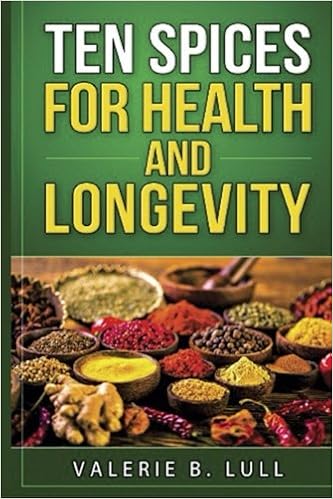
If you are interested in more on spices and health, check out this book.  “For each of the ten spices you’ll learn the spice’s medical and therapeutic benefits, side effects to watch out for, easy recipes for making the most of flavor and health and additional uses of spices for everything from baths to mouthwashes to insect repellent. You can have your health and eat well too!”  http://carolbrusegar.com/Ten Spices for Health and Longevity

  n


The Scents of Fall – Create Your Own Projects

essential oilsAh, the scents of fall! If you are a big fan of essential oils, fall is a great time to incorporate them more into your life. Body/beauty products are a great way to start. You can make your own blends using cinnamon and ginger, or adding more woodsy scents like fir and eucalyptus. These products are easy to make yourself and have a lot of room to be customized.

Here’s an expanded list of scents for you to consider alone or in combinations this fall: Cinnamon, Lemon, Sweet Orange, Fir, Eucalyptus, Clove, Vanilla, Tea Tree, Rosemary, Peppermint, Pine, Frankincense, and Bergamot.

Try these as beginning scent combinations to achieve the essential oil blends you want:

Pumpkin Spice – For a pumpkin spice blend, try combing clove oil with nutmeg and cinnamon. This is a very basic blend of scents that tend to smell just like pumpkin spice.

Fall Air – For a blend that smells like those warm fall evening walks outdoors, try fir or eucalyptus with sweet orange and your choice of spices, like either nutmeg or clove.

Autumn Spice – Another spice combination is more heavily spiced with cinnamon, plus some sweetness added to the mix. This autumn spice can have cinnamon oil, along with clove, vanilla, and sweet orange or lemon.

Play around with the different essential oils until you come up with blends you love for the fall season. Use your blends in a diffuser so that it smells just like fall in your home every day.

In addition, try these and other DIY Bath/Body products:

Pumpkin Scrub

Who doesn’t love a good body scrub? It helps to scrub away the dead skin cells and leave behind soft, smooth skin. For a pumpkin scrub, start with white table sugar, add some coconut oil that is melted, vanilla extract, and the same amount of pumpkin pie spice. Mix it together and use it just like any other body scrub. It will smell like pumpkin pie or pumpkin spice lattes.

Apple Bath Salts

Add the scent of freshly-baked apple pie to your bath! It will be both relaxing and add some natural exfoliation. Start with Epsom salt, then add in your scents. You can combine apple and cinnamon scents on your own, or just get apple pie blends that are already mixed. To add color, you might use some powdered food coloring. Mix it all together and add to a jar for storage.

Fall Candles

Candles and fall just go together! Making your own candles with your desired essential oil scents can be especially enjoyable. You can use one scent per candle or combine any scents you choose.

Start with a good base, which can be beeswax or soy flakes. Melt the wax in a metal container and add your preferred scents – clove, ginger, cinnamon, and vanilla are good basics to use alone or in combinations. Put the scented wax in a container with a wick. *

Besides using them in your own bathroom, kitchen, or living room, these make great gifts for hostesses or general gift-giving.

  •  Amazon has a great selection of candle-making supplies including kits to make the process easier.  Check out what they have here: https://amzn.to/30YqVjgcandle-making kit

Does Perfection Slow Down Accomplishment?

As I look at the early framework of my business plans for the 3rd quarter of the year, it looks exciting. When I look at the individual projects on that list and what it will take to get them done in a high quality way (perfection), I am overwhelmed! Am I crazy to think I can really do all of that and do it well, along with the rest of my life? Is accomplishment of all this possible?

Then the gift came. A Facebook friend and mentor posted a link to an article: “It’s Never Going to Be Perfect, So Just Get It Done” by Tim Herrera. I read it and feel more hopeful and confident that with this approach I can accomplish a great deal.

Of course, it’s one thing to read an article and quite another to incorporate what you read into daily thoughts and actions. This article provided some clear concepts that I can remember (probably assisted by posting them by my desk as reminders).

Tools That Move Us Forward

Herrera writes of the M.F.D. – Mostly Fine Decision which he describes as the “minimum outcome you’re willing to accept.” He notes that the approach assists us with making decisions and getting things done – and that people who practice this are generally more satisfied with their accomplishments.

Sounds appealing to me! However, how does that happen? Thankfully Herrara offers two strategies to help: the “magic of micro-progress” and “reframe how you think about things you have to do”:

“First, embrace the magic of micro-progress: Rather than looking at tasks, projects or decisions as items that must be completed, slice them into the smallest possible units of progress, then knock them out one at a time. …

“Second, reframe the way you think about the things you have to do. Focus far less on the end result, and far more on the process — this allows you to be aware of the progress you’re making, rather than obsessing over the end result of that progress.”

Although there’s still a thread of perfectionism in me, I am more and more convinced that this kind of approach is a good one. One verification of this came when I realized how quickly I consume articles, books, training, and other things. I am not looking for every detail to be exquisite – I want the main points, I want clarity, I want to be able to follow the thoughts and I want to be able to implement it if that is appropriate.

As I tack up the reminders (M.F.D., Micro-Progress, Focus on the Process More Than the End Result) near my desk, I note that this can work only if I have done the detailed planning first. I need to make sure I have goals broken down into projects into tasks, etc., for this to work. So I will tackle that first for my current top priorities.

I invite you to check out the entire article and see if the approach will work for you and your life!


I Celebrate Books for Opening Vistas

Reading Journal Cover

(Get your Reading Journal here: http://carolbrusegar.com/Reading Journal for Book Lovers)

I LOVE to read! Do you? Reading has always been a favorite pastime for me. As a child, I attended a rural one-room school and we had one large bookcase of books to read. What I remember best is reading each of the biographies – a series of books with orange covers. The stories of people in different situations and historical periods fascinated me. We also used the library in our nearby small town and I recall checking out books including Mrs. Piggle Wiggle, the Bobbsey Twins series by Laura Lee Hope, the Little House on the Prairie series by Laura Ingalls Wilder, and earlier the Flicka, Ricka and Dicka series. Do any of those ring a bell with you?

As I moved into high school and even more so in college and young adulthood, I read non-fiction almost exclusively. Books about current events, theology and history primarily. My interests went in those directions because I moved from living in small town/rural in southern Wisconsin into inner city communities in Chicago and Minneapolis – in the mid-1960s and beyond. With the great societal change occurring during those years, there was so much to learn about. My deep involvement in an inner city church and related social justice efforts led me to reading theology books. It wasn’t until about twenty years ago that I began regularly reading fiction, especially historical fiction, along with an expanded variety of nonfiction books. These days I interperse current events/current issues reading with historical fiction, light cozy mysteries and general fiction. I wish that I had written down what books I read over the years, but I didn’t. I do know that the reading I did shaped my understanding and the directions I went in my life in dramatic ways.

Have you kept lists? What kind of patterns, if any, do you see in your reading habits over the years? Can you see significance in those patterns?

Since finding Goodreads.com a few years ago, I have used it as an easy tool for recording the books I am reading. Using their Reading Challenge to set a goal for number of books I will read in a year has been both fun and motivating. Having access to reviews, ratings, suggestions a way to keep track of books I want to read is wonderful.

I still had a desire for a book in my hands where I can record other things. I wanted to identify books both that I have read and want to read by genre. And I wished to have in one volume notes, quotes and reflections on some books I especially value. This could be a reference and a treasure for me in the future.

So I designed a reading journal that met those criteria! If you see a value in such a tool and treasure, I invite you to check out my  Reading Journal – For Book Lovers Who Take Their Reading Seriously.
The link will take you to Amazon.com where you can read more and preview the journal.  It is a handy, portable 6″ x 9″ size.Reading Journal Cover

Happy Reading!!

I’m Carol Brusegar, author, photographer and curator of information. My focus is on gathering and writing on topics that enhance all our lives – regardless of our age. Topics include health and wellness, personal development, innovation and creativity, and a variety of helpful, practical tools and practices. I have a special interest in helping people over 50 years of age to create their 3rd Age – the next stage of their lives – to be the best it can be. Visit my Amazon Author Page to find my published books: https://amazon.com/author/carolbrusegar

Day Trips: Including Getaways and Mini-Vacations in Your Plans

day tripsDay trips are often scheduled into a vacation week in a distant location – you spend one day at a location away from your primary base for the week. But day trips can be a year-round adventure right from our homes. We often have more time for them during summer when there aren’t as many regular activities scheduled on weekends. In fact, they can augment summer vacations, or even substitute for them when there are multiple people’s schedules to accommodate.

Cover of Planner & JournalStrategically planned and scheduled day trips can provide many of the benefits of vacation: change of scenery, breaking the routine, exploring something totally new, trying out different foods or activities, and more. They also are more affordable than vacations that require greater transportation costs and hotel or motel stays.

Day trips provide a way to try out something new without committing too much time or money. For example, one person may be excited about a seven-day tour of Civil War monuments and battle fields that is available in a few months. Another person may have never visited anything of that kind and is very hesitant. A day trip to a nearby battle sight or cemetery would be a great way to assess if a seven-day tour would be enjoyable to both parties.

Regardless of your stage in life or family configuration, there are day trip options. In many cities and towns, churches, organizations for seniors, and other groups provide day trips for older people. They do all the planning and provide the bus or van transportation for a reasonable charge. It’s a great way to spend time with a friend or two and you can meet and even develop ongoing relationships with other people.

Research, Lists and Notes

Most people drive their own cars and make their own plans for each day trip. Have you ever had the impulse to get out of the house for the day (or an overnight) and then been at a loss as to what to do or where to go? You may have ended up just staying home being bored. What if you had a list of possible things to do at your fingertips from which you could choose a perfect activity or destination for that day?

Take some time to research types of day trips you would enjoy and create an ongoing list of specific destinations and activities. You can continually expand it as you discover more possibilities. This will make it much more likely that you will both take more spontaneous trips and schedule others in advance.

To get you started, here are some categories of places to go and things to do on a day trip:

Outdoor Activities and Exploration – scenic locations of all kinds, activities like fishing, horseback riding
Historic and Cultural Destinations – explore the history of your area
Museums, Zoos and Aquariums
Shopping – flea markets, antique malls, vineyards with winetasting, Amish or International Markets
Using Different Modes of Transportation – take a train ride, boat cruise, hot air balloon ride
Scheduled Events – sports, outdoor fairs, concerts

Having a designated notebook or planner to collect information and make plans can make it more likely that you will take more trips for relaxation, enjoyment and learning. It can also be fun to journal about your experiences

Perhaps you would be interested in my Planner & Journal for Day Trips: Getaways and Mini-Vacations which is available on Amazon.com as a 8×10” paperback.Cover of Planner & Journal

I’m Carol Brusegar, author, photographer and curator of information. My focus is on gathering and writing on topics that enhance all our lives – regardless of our age. Topics include health and wellness, personal development, innovation and creativity, and a variety of helpful, practical tools and practices. I have a special interest in helping people over 50 years of age to create their 3rd Age – the next stage of their lives – to be the best it can be. Visit my Amazon Author Page to find my published books: https://amazon.com/author/carolbrusegar


How About Bucket Lists for Summer?

Summer Bucket List
It’s summer!  Despite the view as we enter June that we have a long summer laying out before us, full of potential, we all know how quickly summer passes.  Before we realize it, it will time for school to resume and the regular schedule of activities with organizations in which we participate to be back in full swing. Don’t let the summer get away from you! I encourage you to consider create one or more Bucket Lists in your household that include things you really want to have done by the end of summer. You can have individual family members write lists and create a family list as well. These are the basis of making plans that will make this a great summer full of meaningful memories for all.

Although Bucket Lists are generally seen as a way to keep track of things we would like to do before the end of our lives and hopefully to move us toward actually doing them, they can be used for shorter time frames to help you prioritize what’s most important and make plans. Here’s a particular kind of Bucket List that I recommend: A 3-Part Bucket List.

A 3-part Bucket List includes:  1) “Things I Want to Learn About” 2) “Things I Want to Learn to Do” 3) “Things I Want to Do.” You may find some overlap between them; that’s okay.

The “learn about” list will probably have things about which you’ve been curious: the history of your town or neighborhood, your ancestors and family history, the newest knowledge about outer space, etc.

The “learn to do” list might include things like excel at new swimming strokes, type at a rate of at least 40 words per minute, write short stories, expand art techniques, play an instrument, take better photos, etc.

The “do” list can include simple things like “read one book per week”, “have a home vegetable garden”, explore at least one new area of town each month, etc.

Taking Next Steps

Of course, once all the lists are written – even if it’s only two – it is time to compare notes and discuss what is reasonable to accomplish in the limited weeks of the season. Perhaps that will mean each person prioritizing their own list and making plans to make sure at least those top items can happen.

Some items can likely be put on a list for another season, or even next summer. It can be a fine balance between desires and reasonable expectations, particularly as the number of people involved increases.

Make it your goal to end your list preparation, discussion and planning process with each person (as well as the whole group) having things to look forward to and confidence that they will happen.

Here’s a free 3-Part Bucket List for you to download, print and adapt for summer and get started. Happy Summer!!!

http://carolbrusegar.com/3-PartBucketList


Women’s History: a Window Into Our Past

Women's HistoryMarch is Women’s History Month – an encouragement to explore that vast and varied history of our gender. I recently found an article that opened up a window into the years when my mother was a young woman – early 1930s into the 1950s. It is entitled “How Marjorie Hillis Changed the Way the World Thought About Single Women With Her 1936 Book ‘Live Alone And Like It’” by Dr. Joanna Scutts. I have never heard of Marjorie Hills. Have you?

She published her first book in 1936 while working as an editor at Vogue Magazine in New York City. That book was titled Live Alone and Like It: A Guide for the Extra Woman.

Dr. Scutts describes the book in this way: “The book offered ‘old maids’ and ‘spinsters’ an enviable new identity. Instead of ‘extra women,’ surplus to society’s requirements, they could reinvent themselves as ‘Live-Aloners,’ defined by what they did, not what they lacked.” She spoke around the country on the topic and department stores did tie-in promotions.  It was quite the splash!  Ms. Hillis followed this book with others which reflected her life changes over the following 20 years. The article scans the societal changes during those years as well and how they impacted women’s lives and expectations.

The last paragraph of Dr. Scutts article is a statement for all of us to ponder:

Yet there is still something subversive in Hillis’s call for women to live exactly as they chose — to “be a Communist, be a stamp collector, or a Ladies’ Aid worker, if you must, but for heaven’s sake be something!” She was radical in her awareness that singleness was not just the happy, voluntary, temporary state of the young but that older women, widows, and divorcées had a right to their own pleasure and needed to defend it throughout their lives. Even today, it’s hard for a woman to declare that she has made her choice to live alone, and not have people assume it’s a fallback option, or denial, or just what she’s doing until she meets someone. There are still limited ways of talking about happiness, fulfillment, and a good life outside of the model of the nuclear family. As Marjorie Hillis preached, exercising the right to live your life as you choose is still a political act.

There is great value in knowing our history. It gives us perspective, appreciation, and a challenge to reflect on who we are and who we can be.
In addition to reading the article, you may be interested in Dr. Scutts 2017 book: The Extra Woman: How Marjorie Hillis Led a Generation of Women to Live Alone and Like It.