A New Decade — Opportunity for Perspective and Moving Forward Powerfully

2020 20302020 – we are leaving the 2010s and beginning the 2020s! What does that mean to you? Perhaps not much. A year is a year, you may think. However, you might consider this an opportunity to do some reflection backward and anticipation forward on a broader scale than one year. Another decade, another 10 years of life is ending; another decade is beginning. I find that these mileposts can provide valuable chances to celebrate, learn, focus and refocus.

Looking Back on the 2010s

For some of us, the decade ending has a particular meaning. For example for me, the beginning of March 2020, marks the completion of 10 years living in Nashville, Tennessee. I am taking the opportunity to reflect on that decade of living in a location I had never imagined as my home. What has that meant to me and what does it mean going forward?

Do you have aspects of your life that coincide with the years 2010 to 2020? They may not be as obvious as mine; see if you can identify any. For all of us, taking a longer view backwards can be beneficial. Try to take an aerial view. Perhaps it’s from a helicopter, or a hot air balloon, or on the wings of an eagle.

Grab a pen and paper and start jotting things you remember as you look back on those years from that higher perspective. You might do this by category: successes, disappointments, family highlights, family struggles, illuminations or learnings. Add categories that resonate with you. If you have things to reference that will jog your memory, use them. For example, every year during this decade, I have included a list of highlights of the past year in my Christmas cards and they are a great memory booster in this process. Do you have something like this? Perhaps you journal or keep planners and calendars from past years – they can provide memory jogs.

NOTE: you may write these things in lists and other linear modes or use visual tools like mind mapping. If you’d like more information, go to: https://carolbrusegar.com/mindmapping-multi-faceted-tool/

Once you have written as much as you can think of for now, spend some time reviewing it. Pull out particularly significant things and translate them into learnings that can inform your looking toward a new decade. For example, after six years in Nashville I intended to follow my family who had moved back to California. I am still here (for multiple reasons) and digging into why is an important part of my consideration of the past decade.

Looking Forward

Now shift your perspective toward the coming decade. This time we will start at the end of the decade – 2030 (YIKES) – and create a picture of what we would like to have as our reality at that point. Think about family, financial status, location, relationships, career/job/business/activities. Add any other categories you choose. Take some time with this.

After you have some things recorded that you are excited about, you can jump back into your helicopter, hot air balloon or onto the wings of the eagle. From that aerial view, start jotting down some milestones along the way between your desired 2030 reality and where you are now in 2020. Exactly the kinds of things you include is your choice. It might be intermediate steps toward the outcome, resources needed, things you need to learn, people to involve in various ways, etc.

What we are creating is a background for more specific planning. Are you getting excited? I hope so!

After you have gleaned useable information from the past decade and have a stimulating vision with milestones for the coming decade, it’s time to look at the new year of 2020 in that context.

What do you want to create and develop that will move you into the new decade with power? Again, use linear or more visual tools, depending on what is most useful and inspiring for you.

Look at what you have recorded. Think of a word or phrase that can be your Word for the Year to help keep you focused and on track for this fabulous year. If you have not used a Word for the Year tool, you can learn more about its value here: https://carolbrusegar.com/choose-your-word-for-the-year/

To fully benefit from use of this practice, grab a copy of the book here:  One Word That Will Change Your Life

Watch for specific planning resources in future posts.

Take Steps Now to Reduce Holiday Stress

Take Steps Now to Reduce Holiday StressWhen you think of the holidays, what comes to mind first? Twinkling lights? The merry faces of children? Or… is it stress? Does planning for Thanksgiving, Christmas and the various December celebrations stress you out?

In a recent article published by allonehealth.com, “Holiday stress statistics show that up to 69 percent of people are stressed by the feeling of having a ‘lack of time,’ 69 percent are stressed by perceiving a ‘lack of money,’ and 51 percent are stressed out about the ‘pressure to give or get gifts.’”

I think most of us will agree that it hasn’t always been this way. Especially for the older ones among us, the holidays were pretty simple. Holiday programs at school and church, putting up the Christmas tree together with ornaments the included handmade items by the children, perhaps Christmas caroling and holiday meals with family at home or at other relatives’ homes.

Now there is additional pressure to do indoor and outdoor decorating that can be competitive with relatives or neighbors. The list of people with whom to exchange gifts seems to grow. The advertising wherever we look starts SO early. In the internet age, the pressure to shop online on Black Friday has infringed on our Thanksgiving Day. The next day is Small Business Saturday and the following Monday is Cyber Monday for online sales.

Now is the time to decide, individually and with family or others who are directly involved, what kind of December you want this year. It doesn’t have to be an extensive process. It is really a priority-setting exercise that will set the parameters and tone for decisions about activities you choose.

Here are a few simple questions to think about and discuss with the others involved:

  • Looking back at previous holiday seasons, what things were the most enjoyable and meaningful? What made them that way?
  • What things caused the most stress and perhaps conflict? Was the stress primarily on one person or was it experienced by others?
  • Are there things any of you would like to include in your holiday celebrations that haven’t been part of them recently, or ever?
  • Based on the above, what key things (you may want to set a number) do you want to include that will be enjoyable and fulfilling for you and for others?
  • Are there activities that you want to continue but simplify? How?
  • What self-care strategies can you insert into the holiday season that will decrease stress for you? How about for others?

If there are differences of opinion about any of the above, working out a set of priorities and plans together can in itself reduce stress.

Taking time to do this between now and the beginning of December can have a huge positive impact. Perhaps it is something you can do during the weekend after Thanksgiving. Make it festive – snacks and beverages, candles, etc. This can become a tradition that you look forward to and treasure, not only for the outcome but the cooperative process.

Click below for a simple worksheet that includes the above questions. You can download and print it for this year and repeat next year.

WORKSHEET for Reducing Holiday Stress and Increasing Enjoyment

If this results in some fairly major changes in your holidays, be sure to communicate them in a positive way to anyone affected by your decisions. And in January, have another festive debrief of how this went for everyone. Happy holiday planning and destressing!!

For Thanksgiving: Free Online Resources to Entertain the Whole Family

Thanksgiving Resource PostThanksgiving and a long weekend can be a challenge in terms of keeping the family occupied while they are out of school and off work. It can also be a challenge when one or more of the parents needs to make the Thanksgiving meal, and they need to find quiet activities that children of all ages can do with a minimum amount of supervision and a maximum amount of interest to keep boredom at bay. And, of course, if there are guests in the house, too.

Fortunately, there are a number of online resources packed full of clever ideas the whole family can enjoy together. Here are several suggestions.

1. DLTK Growing Together    http://www.dltk-holidays.com/thanksgiving/

This useful site from Canada offers:
• Thanksgiving coloring pages
• Thanksgiving crafts
• Thanksgiving games and puzzles
• Thanksgiving poems and songs
• Thanksgiving printables
• Thanksgiving recipes
• Thanksgiving worksheets

This site is perfect for K through 8 and for adults who want to spend quality time with the kids for at least part of the holiday weekend. Load up the printer and ink and print out a range of activities, puzzles and more.

2. Education.com

This site has a nice selection of printables for all ages and of all types. There are puzzles, games, and history pages that help teach about the first Thanksgiving and the Puritan settlers to the New World.
https://www.education.com/worksheets/thanksgiving/

Extend the use of the pages by having your younger ones color them in. Be sure to have snub-nosed scissors and glue for the arts and crafts worksheets.

3. Scholastic

Scholastic has both free and paid printables through their membership, and resources for K through 8. Learn about colonial America, and enjoy coloring pages, games and worksheets. See the Thanksgiving collection here:
https://www.scholastic.com/teachers/collections/teaching-content/thanksgiving/

and the printables page. https://www.scholastic.com/teachers/articles/teaching-content/thanksgiving-printables/

4. TheHomeSchoolMom

This site has a wealth of activities and links to a range of educational material from Pre-K to 12, plus teachers’ resources. Use the checkboxes at the top of the page to sort what you are looking for. This site is sure to give your whole family hours of educational fun. https://www.thehomeschoolmom.com/homeschool-lesson-plans/thanksgiving/

5. SignUp Genius

This website helps groups get organized by having them sign up for different activities. It has a nice list of 20 Thanksgiving games to play. https://www.signupgenius.com/home/thanksgivinggames.cfm

There’s also a sign-up project to help plan your Thanksgiving feast which you might find handy, and which the kids can help you with if they are old enough. https://www.signupgenius.com/go/20f044daead2aabfd0-dinner

6. Iheartnaptime.net

This site has made a list of 50 top printables the family will love. You’re sure to find hours of activities and tons of inspiration. https://www.iheartnaptime.net/50-best-thanksgiving-printables/

7. Play Party Plan
This site offers 30 Thanksgiving-themed party games the whole family will love.
https://www.playpartyplan.com/30-great-thanksgiving-party-games/

8. 247 Games

This fun site offers holiday versions of popular card and board games, such as Thanksgiving solitaire, mahjong, Sudoku and more.

http://www.thanksgivingblackjack.com/
http://www.thanksgivingmahjong.com/
http://www.thanksgivingsolitaire.com/
http://www.thanksgivingsudoku.com/
http://www.thanksgivingbackgammon.com/
Learn all new games or have fun with old favorites. Organize tournaments for each game to see who is the winner of each.

9. The Spruce Crafts

This site offers a range of fun Thanksgiving-themed puzzles.
https://www.thesprucecrafts.com/thanksgiving-puzzles-2809152

With all these free ideas, no one needs to be bored during the holidays.

Apple Cider – Fall’s Delicious, Variable, Healthy Beverage!

cider & spices

Warm Apple Cider a favorite fall beverage for many of us. The natural apple flavor is often seasoned with cinnamon, cloves and other fall-type seasonings to make a cozy treat.

First, let’s answer this question: What is the difference between apple cider and apple juice? Basically, apple cider is unfiltered and contains some pulp or sediment, leaving it appear cloudy rather than clear. It also has a shelf life of 7-10 days. Beyond that, it begins to ferment and eventually would become hard cider. Outside the United States and Canada, cider generally refers to that alcoholic beverage.

Health Benefits of Cider

In addition to the taste, apple cider also can be very good for you. Apples themselves are an excellent source of antioxidants, plus have important nutrients like fiber that your body needs. They are good for battling heart disease, diabetes, and high blood pressure. The spices like cinnamon and cloves provide additional benefits, from more antioxidants to being anti-inflammatory and helping with your heart health.

Here are some variations of the traditional apple cider, with added ingredients that you can adjust according to your taste. You can use dry/powdered spices or other forms like cinnamon sticks, star anise, sliced fresh ginger, whole or grated nutmeg, whole cloves, etc. Part of the fun is experimenting with the flavors!

Cranberry Apple Cider

Cranberries are a great addition for color, taste and nutritional benefit. Add them as you warm the cider, either as whole or sliced fruit, along with your choice of spices. For another flavor variety, add cranberry juice with the balance between the two according to your taste.

Spiced Apple Cider

To make your apple cider spicier, you can add turmeric in addition to the traditional spices (cinnamon, clove, nutmeg, ginger). Slices of orange will add sweetness.

Dessert Apple Cider

You can also make more of a dessert apple cider by going with the same basic ingredients, but adding some brown sugar, caramel sauce, and vanilla extract to the mix. A spritz of whipped cream can be added to the top.

Creamy Hot Cider

Here’s a twist on cider: Heat your cider with the seasonings you choose (cinnamon, cloves, pumpkin or apple pie spice, etc.) Add caramel syrup to taste – about 1 tablespoon per cup – and 1 tablespoon heavy whipping cream per cup. Pour into your blender and blend until it’s all combined. Enjoy with whipped cream topping if you choose.

Apple Cider Syrup

A simple apple cider syrup can bring those great flavors into your breakfast over pancakes, waffles and more.

Combine ¾ cup apple cider with ½ cup brown sugar, 2 tablespoons of butter, ½ teaspoons lemon juice, and 1/8 teaspoon each of cinnamon and nutmeg in a saucepan.
After bringing it to a boil, simmer uncovered on low heat until it is slightly thickened – about 25 minutes. NOTE: Cool for at least ½ hour before serving and refrigerate any unused portions.

During fall and winter, warm beverages really hit the spot. Apple cider can be enjoyed in these and other variations throughout this time of year. There are also “spiked” versions to explore if you wish!

And check out a variety of fall spices and spice products here: Fall Spices

I’m Carol Brusegar, author, photographer and curator of information. My focus is on gathering and writing on topics that enhance all our lives – regardless of our age. Topics include health and wellness, personal development, innovation and creativity, and a variety of helpful, practical tools and practices. I have a special interest in helping people over 50 years of age to create their 3rd Age – the next stage of their lives – to be the best it can be. Visit my Amazon Author Page to find my published books: https://amazon.com/author/carolbrusegar

Fall Spices: Tasty and Good For Us Too!

Tea & Spices

Fall and certain spices just seem to go together – we use cinnamon, nutmeg, ginger and cloves in many favorite fall drinks and foods. But they offer more than great flavor – they have health benefits as well.

Spices have been used for centuries; in recent years we are rediscovering their health/healing aspects in addition to the taste enhancements. For more details of how they can boost your immune system, check out this blog post: https://carolbrusegar.com/use-healing-spices-to-boost-immune-system/ 

Here are some ways to use cinnamon, nutmeg, ginger and cloves and the health benefits they each offer.

Cinnamon

Who doesn’t love some cinnamon? Cinnamon is probably one of the more popular spices, often combined with sweet flavors for a nice treat. During the fall, it is frequently used to top lattes, made into cookies like gingerbread or snickerdoodle, and is a frequent spice to use in baked goods with pumpkin, nutmeg, and other fall flavors. Its health benefits include protecting your heart and helping to prevent diabetes. Cinnamon has a lot of antioxidants, which is always important for general wellness, and can help to reduce inflammation in the body.

Nutmeg

Nutmeg has a taste similar to cinnamon, so there is a lot of versatility when using it. It has been linked to various health benefits, including improving your cognitive function, helping to provide natural pain relief, and reducing indigestion. Some people have also noted its ability to help with insomnia.

Ginger

Ginger can be used as the actual ginger root, which you can shave or grind yourself, or you can get ground ginger to make it a little easier. Ginger is often used for cooking -add it to your Chinese food for a little spice, or add it to soup or chili. You can also make ginger tea, which is amazing for nausea and digestion. Aside from helping with your digestive system, ginger is also great for pain and loss of appetite.

Cloves

Cloves can be found in many forms, from ground cloves in the spice section of your grocery store, to using clove oil. Cloves are also anti-inflammatory, similar to cinnamon, so they help with conditions like arthritis. Ground cloves are good in many baked items. Clove oil also works as a natural antiseptic and can even provide mild numbing. Many people use clove oil on a toothache.

FALL TEAS TO USE AS NATURAL REMEDIES –  These spices can make some unique fall teas. Here are three; use your creativity to come up with more.

Fall Fruity Spice Tea

Start with any flavor tea you like, though white and black teas are ideal for this variety. Then combine the brewed tea with your flavors, like cranberry juice, apple juice, and maybe a bit of lemon or orange juice. Add to that your fall spices like cinnamon, clove, and pumpkin pie spice. Mix it all together into a delicious fall tea.

Simple Pumpkin Spice Tea

For a cup of tea that tastes even more like a pumpkin spice latte, start with a spiced tea like rooiobos, then add pumpkin pie spice, ginger, cinnamon, cloves, and nutmeg. You can also add some vanilla extract and maple syrup if you want to add in more sweetness to it. When you’re done blending your tea, you can choose to add something to make it creamy, like heavy whipping cream, along with a cinnamon stick at the very end.

Spiced Chai Tea

Chai tea naturally has all those spices you have grown to love during this time of year, and you can give it a boost by adding some of your own flavors. Get chai tea bags, brew, and then add a little extra spice, such as cinnamon and some nutmeg on top. If you like a sweeter chai tea, a bit of maple syrup or a little sugar can also be added into your spiced chai tea.

With these teas, you are getting the fall spices you crave and also the health benefits associated with the many fall spices along with the tea leaves themselves.

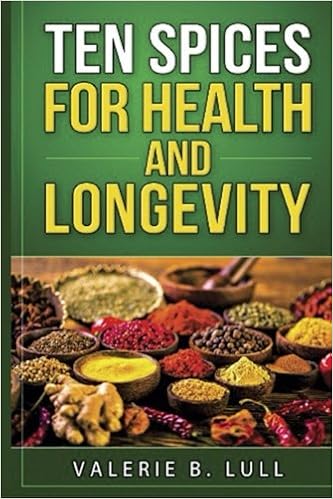
If you are interested in more on spices and health, check out this book.  “For each of the ten spices you’ll learn the spice’s medical and therapeutic benefits, side effects to watch out for, easy recipes for making the most of flavor and health and additional uses of spices for everything from baths to mouthwashes to insect repellent. You can have your health and eat well too!”  http://carolbrusegar.com/Ten Spices for Health and Longevity

  n


The Scents of Fall – Create Your Own Projects

essential oilsAh, the scents of fall! If you are a big fan of essential oils, fall is a great time to incorporate them more into your life. Body/beauty products are a great way to start. You can make your own blends using cinnamon and ginger, or adding more woodsy scents like fir and eucalyptus. These products are easy to make yourself and have a lot of room to be customized.

Here’s an expanded list of scents for you to consider alone or in combinations this fall: Cinnamon, Lemon, Sweet Orange, Fir, Eucalyptus, Clove, Vanilla, Tea Tree, Rosemary, Peppermint, Pine, Frankincense, and Bergamot.

Try these as beginning scent combinations to achieve the essential oil blends you want:

Pumpkin Spice – For a pumpkin spice blend, try combing clove oil with nutmeg and cinnamon. This is a very basic blend of scents that tend to smell just like pumpkin spice.

Fall Air – For a blend that smells like those warm fall evening walks outdoors, try fir or eucalyptus with sweet orange and your choice of spices, like either nutmeg or clove.

Autumn Spice – Another spice combination is more heavily spiced with cinnamon, plus some sweetness added to the mix. This autumn spice can have cinnamon oil, along with clove, vanilla, and sweet orange or lemon.

Play around with the different essential oils until you come up with blends you love for the fall season. Use your blends in a diffuser so that it smells just like fall in your home every day.

In addition, try these and other DIY Bath/Body products:

Pumpkin Scrub

Who doesn’t love a good body scrub? It helps to scrub away the dead skin cells and leave behind soft, smooth skin. For a pumpkin scrub, start with white table sugar, add some coconut oil that is melted, vanilla extract, and the same amount of pumpkin pie spice. Mix it together and use it just like any other body scrub. It will smell like pumpkin pie or pumpkin spice lattes.

Apple Bath Salts

Add the scent of freshly-baked apple pie to your bath! It will be both relaxing and add some natural exfoliation. Start with Epsom salt, then add in your scents. You can combine apple and cinnamon scents on your own, or just get apple pie blends that are already mixed. To add color, you might use some powdered food coloring. Mix it all together and add to a jar for storage.

Fall Candles

Candles and fall just go together! Making your own candles with your desired essential oil scents can be especially enjoyable. You can use one scent per candle or combine any scents you choose.

Start with a good base, which can be beeswax or soy flakes. Melt the wax in a metal container and add your preferred scents – clove, ginger, cinnamon, and vanilla are good basics to use alone or in combinations. Put the scented wax in a container with a wick. *

Besides using them in your own bathroom, kitchen, or living room, these make great gifts for hostesses or general gift-giving.

  •  Amazon has a great selection of candle-making supplies including kits to make the process easier.  Check out what they have here: https://amzn.to/30YqVjgcandle-making kit

How About Bucket Lists for Summer?

Summer Bucket List
It’s summer!  Despite the view as we enter June that we have a long summer laying out before us, full of potential, we all know how quickly summer passes.  Before we realize it, it will time for school to resume and the regular schedule of activities with organizations in which we participate to be back in full swing. Don’t let the summer get away from you! I encourage you to consider create one or more Bucket Lists in your household that include things you really want to have done by the end of summer. You can have individual family members write lists and create a family list as well. These are the basis of making plans that will make this a great summer full of meaningful memories for all.

Although Bucket Lists are generally seen as a way to keep track of things we would like to do before the end of our lives and hopefully to move us toward actually doing them, they can be used for shorter time frames to help you prioritize what’s most important and make plans. Here’s a particular kind of Bucket List that I recommend: A 3-Part Bucket List.

A 3-part Bucket List includes:  1) “Things I Want to Learn About” 2) “Things I Want to Learn to Do” 3) “Things I Want to Do.” You may find some overlap between them; that’s okay.

The “learn about” list will probably have things about which you’ve been curious: the history of your town or neighborhood, your ancestors and family history, the newest knowledge about outer space, etc.

The “learn to do” list might include things like excel at new swimming strokes, type at a rate of at least 40 words per minute, write short stories, expand art techniques, play an instrument, take better photos, etc.

The “do” list can include simple things like “read one book per week”, “have a home vegetable garden”, explore at least one new area of town each month, etc.

Taking Next Steps

Of course, once all the lists are written – even if it’s only two – it is time to compare notes and discuss what is reasonable to accomplish in the limited weeks of the season. Perhaps that will mean each person prioritizing their own list and making plans to make sure at least those top items can happen.

Some items can likely be put on a list for another season, or even next summer. It can be a fine balance between desires and reasonable expectations, particularly as the number of people involved increases.

Make it your goal to end your list preparation, discussion and planning process with each person (as well as the whole group) having things to look forward to and confidence that they will happen.

Here’s a free 3-Part Bucket List for you to download, print and adapt for summer and get started. Happy Summer!!!

http://carolbrusegar.com/3-PartBucketList


Planning Your Valentines Day if You Are Not Part of a Couple

hearts

The cards and gifts have been in stores since right after Christmas and advertising is hitting the airwaves. The pressure is building for those in relationships to make Valentines Day a meaningful expression of how much you care for your significant other. Some look forward to this as a highlight of the year; others know it’s important for at least one of the couple and go along.

But what about the rest of us? The ones who are not in an intimate relationship? We can ignore it as much as we can. Or we can let it make us regret our singleness and go into a funk.

Or we can decide now to spend that day in a way that affirms us and others. What could that look like? I was fortunate a few years back to experience one such alternative. A friend invited 5 single women who didn’t know each other well to her home for dinner. We had great food and wine and shared our stories. It was a lovely, affirming evening.

Interestingly, when I googled “ what to do on Valentines Day if you’re single”, there are 40,200,000 results. Clearly there are a lot of people with ideas. A few are rather negative (like an anti-Valentine party), but most are interesting ideas. Here are a few of my favorites, in the categories of things to do by yourself and things to do with others:

SOLITARY ACTIVITIES

A self-care/spa night, including a bubble bath with candles and candy
Make yourself a fancy meal of foods you really love
Do something you’ve been putting off: something that will give you a sense of accomplishment when it’s done
Treat yourself to a bouquet of your favorite flowers
Buy yourself something you really want
Update your bucket list and get excited about your future plans

THINGS TO DO WITH OTHERS:

 Have a group spa night – facials, manicures, pedicures, massages
 Go to a movie with friends – anything but a romantic theme
 Have a potluck dinner with friends
 Host a sleepover/slumber party with silly movies and lots of junk food
 Brighten other people’s day by showing them you care – your parents, siblings, cousins, etc.
 Host a dance party with friends who love to let loose, dance and sing
 Have a Golden Girls–style gathering around the kitchen table with a few friends – ice cream and/or cheesecake and lots of conversation – serious, silly, whatever happens
 Have a game night – board games + whatever makes you and your friends laugh
 Have a Secret Valentine exchange (a variation of Secret Santa) with other single friends, including parameters on cost, etc.

A simple reminder – stay off social media if seeing the posts of couples having fun bums you.

And there’s always the alternative of simply ignoring the whole thing. It’s a weeknight; do what you usually do if possible. If not, stay home and read or watch television. No biggy.

The Best Gift?

Best GiftDuring this part of the year, regardless of what holiday(s) you are celebrating, the chances are good that you will be gathering with people in some context. Perhaps it is with family, friends, or even work colleagues in a different context than normal. You may be traveling and meeting people in airplanes, trains or buses and conversations begin.

Some of us dread or look forward to the conclusion of such encounters – at least with some of the people with whom we will be gathering.

How many times have you been bored with the level of conversation – kids, ailments, complaints, weather – those mundane topics? What did you do? Shrink into a corner with one person with whom you could discuss at least one interesting topic? Volunteer to help in the kitchen or run to get a missing item from the store? Simply walk around, nodding and engaging in very brief exchanges and moving on?

Or perhaps discussions begin where there are wide differences of opinion, judgements, and it’s quite clear the conflict is going to escalate. I discovered this intriguing approach that might give us a way to prevent or diffuse some of these situations.

Kathryn P. Haydon encourages us to facilitate connection with others and poses this question: “What if the best gift we can give is to ask more meaningful questions?”

Kathryn encourages us to start by getting into a curiosity mindset and “think about what ideas, patterns, or topics spark your curiosity and try to connect these to the people you are going to see.” Ask a question about something you know about that person, and then follow-up questions that will deepen the conversation. Her favorite follow-up questions begin with “What might be all the…..”

This kind of conversation helps you connect with individuals and makes them feel that you value and understand them. It can also divert away from the controversial topics.  Isn’t that what we all want? Hopefully, people will ask you questions in return and before you know it, you are really enjoying the gathering you were not so excited about. In addition, there will be more to look forward to the next time you see these people. It’s a win-win.